
Searching for an Ireland digital nomad visa often leads to excitement about remote work among green hills, lively pubs, and reliable internet. Many freelancers and remote professionals hope for a straightforward path similar to other European options. The reality in 2026 is more nuanced. Ireland does not offer a dedicated digital nomad visa, freelancer visa Ireland, or remote worker permit designed specifically for people earning income from abroad. Instead, practical alternatives exist through existing immigration routes, particularly for those who meet strict financial independence criteria. This guide covers Ireland visa eligibility in detail, breaks down costs including the cost of living Ireland, explains how to apply, and highlights top islands and towns where digital nomads can thrive. Hotel recommendations drawn from platforms like Booking.com and Trip.com help turn a temporary stay into a comfortable longer base.
The absence of an official Ireland digital nomad visa surprises many because the country is English-speaking, tech-friendly, and culturally rich. Short-term visitors from visa-exempt countries can enter for up to 90 days, during which remote work for foreign clients sits in a grey area. For longer stays the closest option remains Stamp 0 permission for people of independent means. Employment permits exist but require an Irish employer. Understanding these distinctions prevents wasted applications and sets realistic expectations for anyone exploring a freelancer visa Ireland alternative or remote worker permit pathway.
Does Ireland Have a Digital Nomad Visa?
Ireland has not introduced a specific digital nomad visa as of 2026. Unlike Portugal’s D8 or Spain’s remote work options, no single permit exists solely for freelancers or employees working exclusively for foreign companies while living in Ireland. Official sources and immigration guidance confirm this position remains unchanged, with no firm timeline for a dedicated scheme. Many online articles still use the phrase “Ireland digital nomad visa,” yet they usually point to workarounds rather than a formal category.
This gap means applicants must fit into existing stamps or permits. Stamp 0 is frequently discussed as the nearest equivalent because it allows residence for financially self-sufficient individuals without accessing the Irish labour market. However, its conditions emphasise independent means and private insurance rather than active remote work rights. Critical Skills or General Employment Permits require sponsorship by an Irish entity. Short-stay C visas or visa-free entry suit brief visits only. For freelancers hoping for a clear freelancer visa Ireland route or a remote worker permit, the message is clear: plan around current rules rather than waiting for a new category. The lack of a dedicated option keeps Ireland selective but still accessible to those who prepare thoroughly.
Ireland Visa Eligibility – Understanding the Requirements
Ireland visa eligibility centres on proving you will not become a burden on public resources. For Stamp 0, the most relevant route for many remote workers, applicants typically need to demonstrate an annual income of around €50,000 from non-Irish sources plus access to a substantial lump sum for unexpected expenses, often illustrated by reference to the cost of an Irish property. Private medical insurance covering full private hospital treatment is mandatory. An Irish accountancy firm usually verifies the financial evidence. The permission prohibits taking up employment or business activities in Ireland unless a specific letter of authorisation states otherwise. Remote work for overseas clients is not explicitly banned but is also not guaranteed, making it a case-by-case matter.
Other pathways include the Critical Skills Employment Permit for occupations on the official list or higher salary thresholds (updated figures apply from March 2026). These require a job offer from an Irish employer and lead to stronger residence rights over time. Visa-required nationals must also secure the appropriate entry visa before travel. EU/EEA and Swiss citizens enjoy free movement and need no stamp for residence or work. Anyone considering a freelancer visa Ireland style arrangement or remote worker permit should gather bank statements, insurance certificates, accommodation evidence, and a clear statement of purpose. Eligibility assessments remain discretionary, so incomplete documentation often leads to delays or refusals. Checking the latest Immigration Service Delivery guidance before applying is essential.
You might like : Remote Work & Digital Nomad News Roundup :Travel Trends 2026
Cost of Living Ireland and Visa-Related Expenses
The cost of living Ireland ranks among the higher levels in Europe, especially in Dublin, and forms a critical part of any long-stay calculation. Monthly expenses for a single remote worker commonly range from €2,000 to €3,500 or more depending on location and lifestyle. Rent for a one-bedroom apartment in Dublin city centre often exceeds €1,800–€2,500, while Cork and Galway sit lower at roughly €1,200–€2,000. Groceries, transport, and coworking add further amounts. Outside the main cities the cost of living Ireland becomes more manageable, particularly on certain islands or in smaller towns where quieter settings also suit focused work.
Visa costs themselves remain relatively modest. Stamp 0 registration carries a fee of approximately €300. An entry visa, if required, costs €60 for a single journey or €100 for multiple entries. Employment permit fees range from €500 to €1,000 depending on duration. Private health insurance adds several hundred euros annually. Accountant verification of finances and initial accommodation deposits increase the upfront outlay. When budgeting, factor in these one-time items alongside ongoing living costs. Choosing a base outside Dublin can significantly ease the financial pressure while still offering strong internet and community amenities. Transparent planning around the cost of living Ireland helps determine whether Stamp 0 or another route is realistic.
How to Apply for Residence Permission
The application process for Stamp 0 generally begins outside Ireland. Gather proof of income and savings, private medical insurance documentation, evidence of intended accommodation, and a detailed letter explaining the purpose of stay. Financial statements often require certification by an Irish accountancy firm. Submit the materials to Immigration Service Delivery. If approved, a conditional letter of permission is issued. Visa-required nationals then apply for the appropriate long-stay “D” visa. Upon arrival, register with the local immigration office or Garda National Immigration Bureau to receive the Irish Residence Permit card. Processing times typically span several weeks to a few months.
For employment permits the sequence differs: the Irish employer applies first through the Department of Enterprise, Trade and Employment. Once the permit is granted the individual handles any necessary visa and registration steps. Short-stay applications use the online AVATS system. Throughout the process maintain clear records and respond promptly to any requests for additional information. Because no dedicated freelancer visa Ireland or remote worker permit exists, applicants must frame their case carefully within the independent-means or employment categories. Professional immigration advice is recommended for complex situations. Successful applicants gain temporary residence that can be renewed annually subject to continued compliance.
Top Islands & Towns for Digital Nomads
Dublin – The Tech and Networking Hub
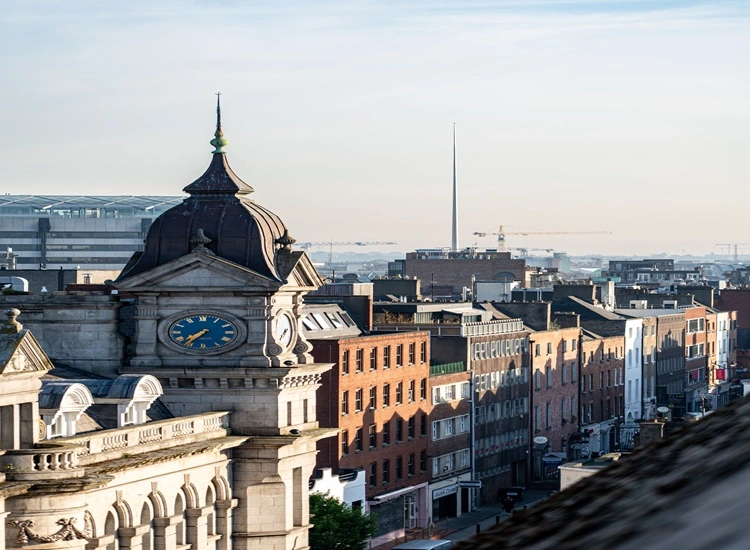
Dublin offers the densest concentration of coworking spaces, international meetups, and high-speed connectivity. The city’s energy suits professionals who value networking alongside remote work. However, the higher cost of living Ireland is most noticeable here. For comfortable longer stays, consider properties listed on Booking.com and Trip.com such as Anantara The Marker Dublin, which provides modern rooms, a spa, and Docklands location convenient for both work and leisure. The Leinster offers a calmer boutique atmosphere near Merrion Square with thoughtful design and outdoor spaces ideal for focused days. Riu Plaza The Gresham delivers solid four-star value in the city centre with reliable Wi-Fi and easy access to transport. These hotels frequently appear in guest reviews for cleanliness, location, and suitability for extended visits when flexible rates are available.
Cork – Balanced Lifestyle and Strong Connectivity
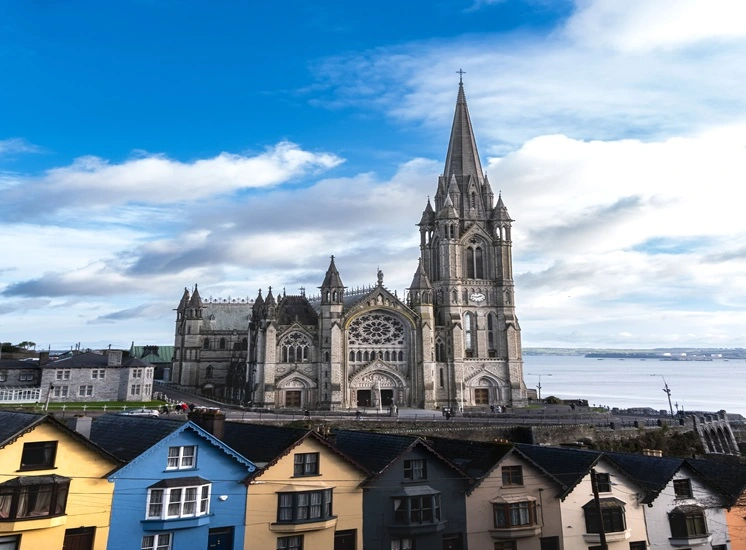
Cork combines a vibrant food scene, growing tech presence, and more moderate prices than the capital. Fast internet and a friendly atmosphere make it a favourite among remote workers seeking balance. The city serves as a practical base with good transport links to the coast. On Booking.com and similar platforms, travellers often choose well-reviewed central hotels that offer desks, strong Wi-Fi, and weekly rates. Properties near the river or Victorian Quarter provide walkable access to cafés and coworking while keeping the cost of living Ireland more manageable. Longer stays benefit from hotels that emphasise quiet rooms and reliable service, allowing freelancers to maintain productivity without the intensity of Dublin.
Galway – Culture, Walkability and Western Gateway
Galway’s bohemian character, live music, and compact centre appeal strongly to digital nomads who want lifestyle alongside work. The Latin Quarter and Salthill areas offer cafés with solid Wi-Fi and a creative community. Internet speeds support remote schedules, and the city acts as a gateway to Connemara and the islands. Recommended options visible on Booking.com and Trip.com include The House Hotel in the heart of the action, valued for contemporary rooms and central location. Radisson RED Galway provides modern amenities and work-friendly spaces. Glenlo Abbey Hotel, a short distance outside the centre, delivers a more expansive estate setting with excellent facilities for those who prefer quieter surroundings after work hours. These choices support both short exploratory visits and longer remote-work periods.
Aran Islands – Focused Retreats and Dramatic Landscapes
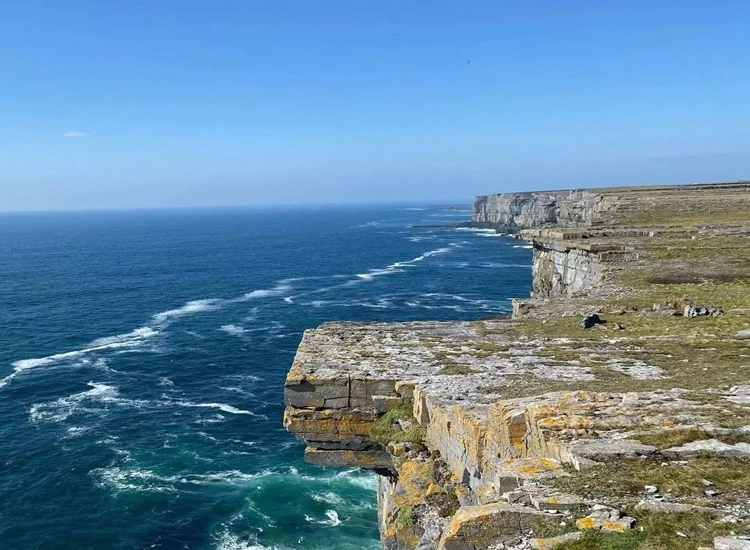
The Aran Islands, particularly Inis Mór, deliver a slower pace ideal for deep work or creative projects. Limestone landscapes, traditional culture, and Atlantic views create an inspiring backdrop. Connectivity is adequate for most remote tasks, though visitors should confirm speeds. The standout property is the Aran Islands Hotel in Kilronan, regularly listed on Booking.com with strong guest scores for location, cleanliness, and harbour or bay views. Spacious rooms, a restaurant, and free Wi-Fi make it practical for multi-night or weekly stays. Guests appreciate the convenience of minibus transfers from the ferry and the ability to explore by bike or on foot. For digital nomads seeking temporary disconnection from mainland intensity while remaining productive, this hotel provides a reliable and scenic base.
Achill Island – Beaches, Hiking and Coastal Calm
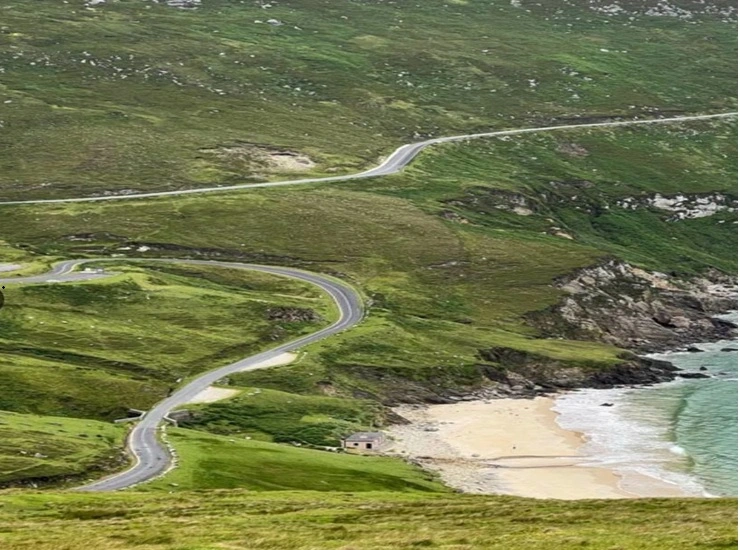
Achill Island, Ireland’s largest, offers expansive beaches, cliff walks, and a sense of space that many remote workers find restorative. The landscape gained additional attention through film locations, yet it remains relatively uncrowded outside peak season. Internet access supports standard remote work, and the island’s size allows varied day trips. On Booking.com, Óstán Oileán Acla in Achill Sound receives consistent positive feedback for its facilities, restaurant, and convenient position. Greenway Lodge B&B and similar highly rated guesthouses provide welcoming hosts, strong Wi-Fi, and mountain or sea views suited to longer creative stays. These options help keep the overall cost of living Ireland lower than mainland cities while delivering memorable surroundings.
Practical Tips for a Successful Stay
Once permission is secured, practical steps smooth the transition. Arrange private health insurance that meets the required standard before travel. Explore coworking memberships or café routines that fit your schedule. Mobile eSIMs and local SIMs provide backup connectivity. Banking can begin with international options before opening a local account if needed. Weather varies, so packing layers is wise. Community groups and online forums help newcomers connect. Always verify current immigration rules, as conditions can evolve. Combining careful preparation with a well-chosen base among the islands and towns maximises both productivity and enjoyment.
Ireland may lack a formal digital nomad visa, freelancer visa Ireland category, or remote worker permit, yet clear pathways exist for those who meet eligibility standards and plan around the cost of living Ireland. Stamp 0 and employment routes open the door for qualified applicants. Choosing locations such as Dublin, Cork, Galway, the Aran Islands, or Achill Island, supported by practical hotels available on Booking.com and Trip.com, turns the logistical challenge into a rewarding experience. Research the latest official guidance, gather strong documentation, and select accommodation that supports both work and exploration. With realistic expectations and thorough preparation, remote professionals can enjoy the unique combination of Irish culture, landscapes, and connectivity that continues to attract visitors year after year.