
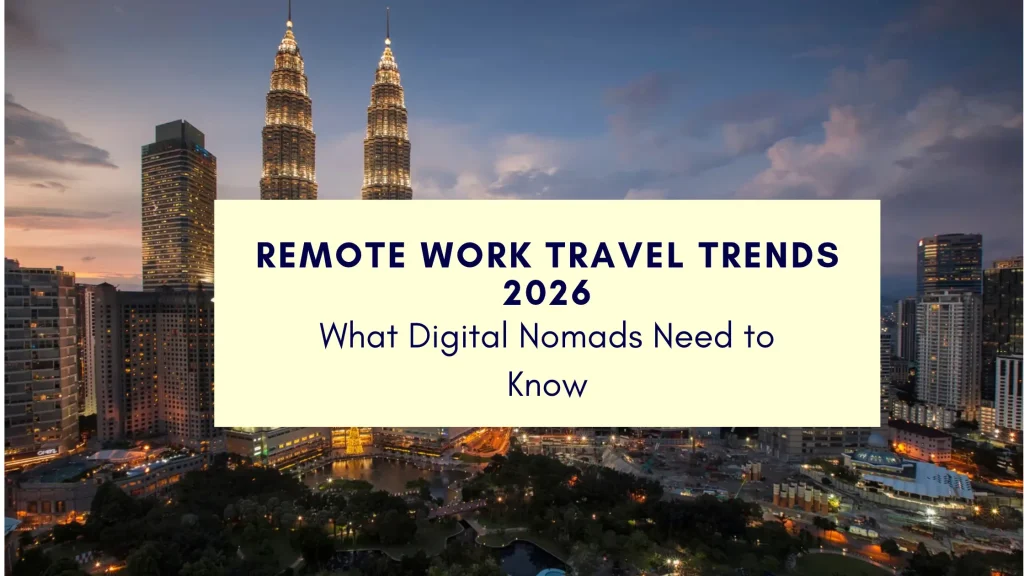
Remote work and travel are becoming increasingly connected in 2026. Instead of saving travel for a short annual vacation, many professionals are designing their work lives around longer stays in destinations where they can maintain a career while experiencing a different culture. The latest data available in 2026 shows how significant this lifestyle has become: MBO Partners reported 18.5 million American workers identifying as digital nomads in 2025, up 153% from 2019. At the same time, fully remote job opportunities have shown fresh momentum in parts of the labor market. FlexJobs reported a 22% quarter-over-quarter increase in fully remote postings in its database during Q2 2026. These changes influence everything from visa policies and airline demand to hotel design and coworking infrastructure. For anyone researching remote work travel trends 2026 or planning life as a digital nomad 2026, the key themes are longer stays, smarter technology, better workspaces, increased visa awareness, and more careful destination selection. This guide explores those developments along with useful hotel choices from Booking.com and Trip.com.
Why Remote Work Travel Is Growing in 2026
Digital Nomadism Is Becoming a Mainstream Work Lifestyle
When people search for nomad statistics 2026, one of the most useful benchmarks currently available is MBO Partners’ 2025 State of Independence research, which found 18.5 million U.S. workers identifying as digital nomads. That figure represented approximately 12% of the American workforce covered by its analysis and was 153% higher than in 2019. What matters just as much as the number itself is how diverse the digital-nomad population has become. It now includes independent freelancers, entrepreneurs, consultants, creatives, and people holding traditional jobs with established employers. That makes digital nomadism less of a niche travel lifestyle and more of a serious work arrangement that hotels, destinations, and companies increasingly need to understand. MBO also reported high satisfaction among this group, indicating that many people who successfully combine work and travel want to continue doing so. For the travel sector, these workers are especially interesting because they often stay longer than conventional vacationers. They may spend several weeks in one city, use restaurants and transportation like temporary residents, and place unusually high importance on internet quality, desks, kitchens, laundry services, and quiet areas for calls.
Remote Job Growth Is Supporting More Location-Independent Careers
Remote Opportunities Are Expanding in Several Career Fields
Remote job growth is another reason travel and work continue to overlap in 2026, although it is important to understand what the available numbers represent. FlexJobs’ Q2 2026 Remote Work Index reported that fully remote job postings in its own database increased 22% quarter over quarter, marking the second consecutive quarter of double-digit growth. Computer and IT positions more than doubled from Q1, while engineering, operations, and administrative roles each posted growth of more than 30%. A separate FlexJobs analysis found sales, business development, and account management among the fastest-growing remote career categories during the first half of 2026. This does not mean every occupation or every employer is moving toward fully remote work, and return-to-office policies continue in many organizations. However, it does show that location-independent opportunities remain meaningful in sectors that can operate through digital tools. For aspiring digital nomads, this matters because long-term travel is much easier when remote work is built into the employment arrangement rather than negotiated informally after hiring. Before booking a month abroad, employed travelers should still confirm that their employer permits international remote work, since a job advertised as “remote” does not necessarily mean “work from any country.”
Biggest Remote Work Travel Trends 2026
Longer Stays Are Replacing the One-Week Workation
One of the strongest remote work travel trends 2026 is the movement toward longer and slower trips. A short workation sounds appealing, but moving locations every few days can be exhausting for anyone who still has deadlines, meetings, clients, and normal working hours. Digital nomads increasingly benefit from staying several weeks in the same neighborhood, learning where to buy groceries, finding a reliable gym or coworking space, and creating a predictable daily routine. Longer stays can also reduce the amount of productive time lost to airport transfers, hotel check-ins, packing, and unfamiliar transportation systems. This has important consequences for the accommodation market. A remote worker staying 30 days is much more likely to care about a kitchenette, washing machine, workspace, refrigerator, storage, and weekly housekeeping than someone staying for a weekend. Hotels and serviced apartments that understand these requirements are in a strong position to attract long-stay guests. For travelers, the best approach is often to reserve a flexible hotel for the first several nights and use that period to explore neighborhoods before extending the booking or moving into a longer-term serviced apartment. Slow travel is therefore becoming both a lifestyle preference and a practical productivity strategy.
More Countries Are Building Remote-Work Immigration Routes
Digital Nomad Visas Are Becoming Part of Travel Planning
Immigration planning has become an essential part of the digital nomad 2026 lifestyle. Remote workers can no longer assume that earning money online means they can legally live and work from any destination under ordinary tourist rules. Spain, for example, operates an international telework visa for qualifying non-EU nationals who remotely perform professional activity for companies outside Spain. Self-employed applicants may carry out limited activity for Spanish companies under the conditions of the program. Portugal also maintains a residence route specifically connected to remote professional activity performed for organizations outside Portuguese territory. Japan takes a different approach: its official digital-nomad category permits eligible remote workers to stay for up to six months, with no extension under that particular status. These examples illustrate why digital nomad visas cannot be treated as a single global product. Income thresholds, insurance requirements, taxation, family eligibility, permitted local work, and maximum residence periods vary significantly. A traveler may love a destination but discover that another country offers a visa better suited to their income, family situation, or desired length of stay. Always verify rules through the relevant government authority before paying for long-term accommodation.
Future Travel Predictions for Digital Nomads
Personalization and AI Will Influence Where People Travel
Some of the most interesting future travel predictions for 2026 concern personalization rather than a single destination becoming universally popular. Booking.com’s Travel Predictions 2026 research surveyed more than 29,000 travelers across 33 countries and territories and found a growing desire for trips that reflect highly personal interests and identities. Technology is a major part of that change. In one of the trends studied by Booking.com, 78% of respondents said they were open to AI-powered suggestions that could match particular travel aesthetics and interests. For digital nomads, AI has even more practical uses because their trip involves both travel and work. It can help compare time zones, shortlist neighborhoods, organize visa checklists, identify hotels with work desks, estimate monthly budgets, translate local information, and build weekend itineraries around a normal work schedule. However, AI should be treated as a planning assistant rather than the final authority for immigration, tax, or employment law. Those details can change quickly and should always be confirmed through official sources. The likely direction is clear: remote workers will increasingly expect travel platforms and hotels to offer personalized recommendations based not only on destination preferences but also on working hours, internet needs, stay length, budget, and lifestyle.
Travel Industry Outlook 2026
Tourism Is Expected to Continue Growing Faster Than the Wider Economy
The broader travel industry outlook supports the idea that remote workers will have an expanding range of destinations, accommodations, and travel services to choose from. In May 2026, the World Travel & Tourism Council forecast that global Travel & Tourism would contribute about $12 trillion to the world economy during 2026, representing approximately 9.9% of global GDP. WTTC expects the sector to grow around 3.2% this year, ahead of the forecast 2.4% growth of the wider global economy, while supporting roughly 376 million jobs worldwide. Over the following decade, WTTC projects Travel & Tourism GDP growth of 3.6% annually and nearly 89 million additional sector jobs. For digital nomads, this expansion could mean more competition among destinations and accommodation brands seeking longer-stay travelers, but it may also create pressure on prices in popular remote-work hubs. Successful cities will need more than tourist attractions. They will need dependable transportation, internet infrastructure, housing, destination management, coworking facilities, and accommodation suitable for people staying for weeks instead of nights. This makes the digital nomad market increasingly relevant to the future of hotels, serviced apartments, and extended-stay travel.
How Hotels Are Changing for Digital Nomads in 2026
A Work Desk and Fast Wi-Fi Are Becoming Core Travel Amenities
Hotels that want digital-nomad guests need to think differently from properties designed mainly for weekend tourists. Free Wi-Fi is now only the starting point. Remote professionals may spend eight hours per day online, participate in video conferences, download large files, and work across multiple devices, so reliability matters just as much as availability. A comfortable desk, suitable chair, good lighting, accessible electrical outlets, and quiet surroundings can have a major effect on whether a hotel works for a three-week stay. Kitchen facilities are increasingly valuable because eating every meal in restaurants quickly becomes expensive, while laundry services are almost essential during longer trips. Coworking lounges, meeting rooms, gyms, and flexible housekeeping also make a property more appealing. Flexible cancellation deserves special attention because digital nomads sometimes book around visa approvals, changing employer policies, or evolving travel plans. When comparing Booking.com or Trip.com properties, travelers should search recent reviews for words such as “Wi-Fi,” “desk,” “quiet,” “work,” and “long stay.” A glamorous pool may make attractive photos, but a dependable workspace is usually far more important on Monday morning.
You Might Interested: Mexico Digital Nomad Visa: Requirements, Cost & Step-by-Step Guide
Lisbon: A Strong European Base for Longer Remote-Work Stays
Locke de Santa Joana for a Serviced-Apartment Experience
Lisbon continues to appeal to remote professionals because of its international atmosphere, public transportation, restaurants, coastal access, and established long-stay accommodation market. For travelers who want more independence than a conventional hotel room provides, Locke de Santa Joana is worth considering. Trip.com lists the Lisbon property as a four-star hotel close to Marquês de Pombal and Avenida da Liberdade, with amenities including a gym, outdoor pool, café, restaurant, and bar. Its serviced-apartment positioning makes it particularly relevant for longer stays because travelers can choose accommodation formats designed around more everyday living rather than a simple overnight visit. The central location also gives a new arrival time to understand Lisbon before committing to a longer lease elsewhere. Portugal’s official immigration authority continues to maintain a residence route connected to professional activity performed remotely for entities outside Portugal, making the country relevant to eligible longer-term digital nomads as well as ordinary visitors. Accommodation prices in Lisbon can vary significantly by month, so remote workers should compare actual travel dates and cancellation terms instead of relying on a static nightly price.

(Trip.com) View Locke de Santa Joana on Trip.com
Madrid: A Social City for Remote Professionals
The Social Hub Madrid Combines Accommodation and Community
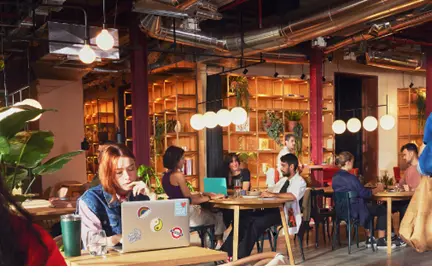
Madrid is attractive for digital nomads who want a major European capital without giving up excellent public transportation, nightlife, museums, food culture, and extensive flight connections. A particularly relevant accommodation option is The Social Hub Madrid, which is available through both Booking.com and Trip.com. Booking.com lists the hotel with free Wi-Fi, a fitness center, outdoor pool, lounge, laundry facilities, and a location close to Plaza de España and Gran Vía. Trip.com also highlights complimentary internet access, communal living areas, dining options, and its central location near the Royal Palace. The combination of private rooms and social spaces makes this type of property useful for remote workers who want more community than a traditional business hotel provides. Madrid also makes sense for professionals interested in Spain’s international telework framework, although visa eligibility should always be verified separately from the hotel booking. For someone arriving for the first time, staying centrally for one or two weeks can make apartment hunting and neighborhood comparison considerably easier while providing a dependable work environment immediately after arrival.
(Booking.com) Check The Social Hub Madrid on Booking.com
Bangkok: Serviced Apartments Work Well for Longer Stays
Somerset Rama 9 Bangkok for Space and Everyday Convenience
Bangkok remains highly attractive to remote workers who value a large accommodation market, restaurants at many price levels, shopping, transportation, coworking options, and a strong urban lifestyle. For anyone staying several weeks, a serviced residence can be more practical than a conventional hotel, and Somerset Rama 9 Bangkok is one option worth comparing. Trip.com currently lists the five-star property with a swimming pool, gym, sauna, restaurant, breakfast options, and a location on Ratchadaphisek Road in Huai Khwang. A property like this can suit remote professionals who want a more residential feeling while still having hotel-style facilities and reception support. Bangkok is also useful as an example of why hotel selection should be based on work patterns rather than tourist popularity alone. Someone working late European or North American hours may prefer a quiet serviced apartment close to groceries and transit rather than a room in the busiest nightlife district. When comparing options, check the exact room type for desk space, kitchen facilities, washing arrangements, and soundproofing. Longer-stay rates can also differ substantially from ordinary nightly pricing, so enter the full duration of your intended stay when searching.

(Trip.com) View Somerset Rama 9 Bangkok on Trip.com
Chiang Mai: A Comfortable Choice for Focused Remote Work
U Nimman Chiang Mai for a Central Nimman Stay
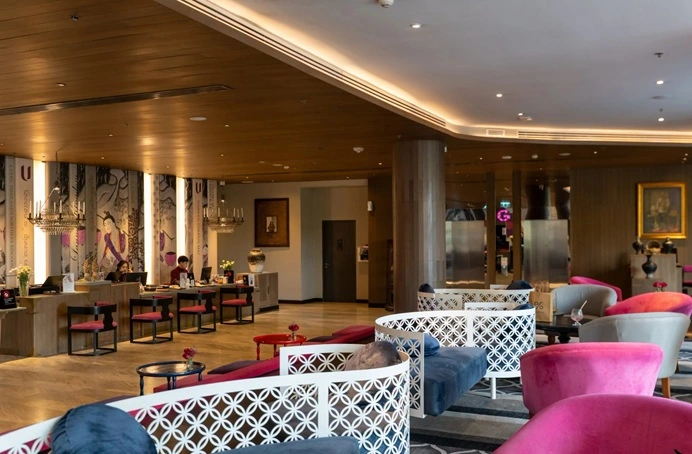
Chiang Mai has long appealed to remote workers who want a smaller city experience than Bangkok, with cafés, coworking communities, northern Thai culture, restaurants, and relatively compact neighborhoods. The Nimman area is particularly convenient because many everyday services are close together, allowing remote professionals to create a routine without spending large amounts of time commuting. U Nimman Chiang Mai is one higher-end option in this part of the city. Trip.com lists the five-star hotel close to One Nimman and Maya, with a swimming pool, gym, sauna, restaurant, and breakfast service. For a digital nomad, the central location can be more valuable than resort-style isolation because cafés, shopping, transportation, and places to work outside the room are readily accessible. Chiang Mai can also suit travelers experimenting with slow travel because it is easy to spend several weeks developing a predictable work schedule while using weekends for temples, food experiences, or trips into northern Thailand. Before committing to a month, compare the hotel with serviced apartments and coliving properties in the same neighborhood, particularly if kitchen access or laundry is important.
(Trip.com) Check U Nimman Chiang Mai on Trip.com
Bali: Coworking and Accommodation Are Blending Together
TRIBAL Coworking Bali for a Social Workation
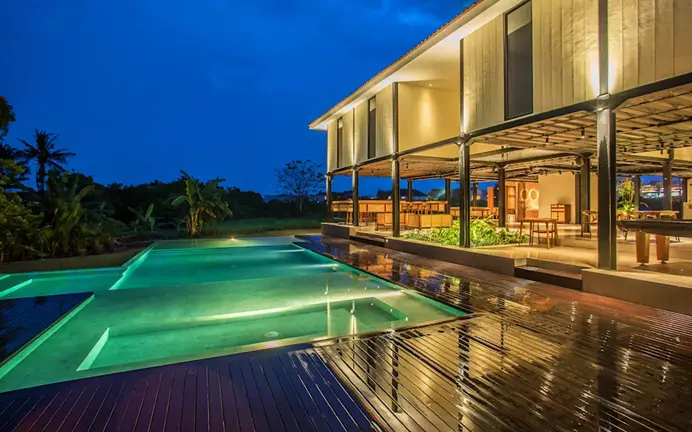
Bali remains strongly associated with the digital-nomad lifestyle, particularly around Canggu and Ubud, where coworking, cafés, wellness, surfing, yoga, and long-stay accommodation overlap. Travelers who want to meet other remote workers may prefer a property deliberately designed around community rather than an isolated resort. Tribal Bali Coworking Hostel is a particularly clear example. Booking.com lists the Canggu property with free Wi-Fi, a garden, bar, swimming pool, desks in rooms, and a location less than a kilometer from Echo Beach. Trip.com explicitly highlights coworking spaces alongside the café, restaurant, pool, and work desks. That makes it a natural choice for younger solo travelers or budget-conscious remote workers who value networking and shared spaces. It may be less suitable for someone who needs complete privacy for confidential business calls, so the best accommodation depends on work style. Bali also demonstrates a wider future travel prediction: hotels, hostels, coworking centers, and coliving spaces are increasingly merging into hybrid products designed around both productivity and social interaction.
(Booking.com) See TRIBAL Coworking Bali on Booking.com
Ubud: A Quieter Alternative for Bali Digital Nomads
Outpost Ubud Penestanan for Work and Wellness
Digital nomads who find Canggu too busy may prefer Ubud, where the atmosphere is generally more closely associated with wellness, yoga, rice-field landscapes, cafés, and a slower rhythm. Outpost Ubud Penestanan is an accommodation option particularly relevant to this audience because the Outpost concept has long been associated with remote-work communities. Trip.com lists the property in Penestanan with an outdoor swimming pool, business center, conference facilities, bar, and a location close to yoga and wellness venues. Booking.com also lists free Wi-Fi and multiple room types at the property. For a remote worker, Ubud may be attractive when the goal is focused work during weekdays combined with wellness or cultural activities outside work hours. However, travelers should pay close attention to internet reviews because connectivity quality can vary more across Bali than in a dense European capital. It is also wise to consider transport because Ubud does not offer a metro system like Madrid or Tokyo. If your priority is concentrated work, a quieter hotel with reliable internet may provide more value than being directly beside the busiest tourist streets.
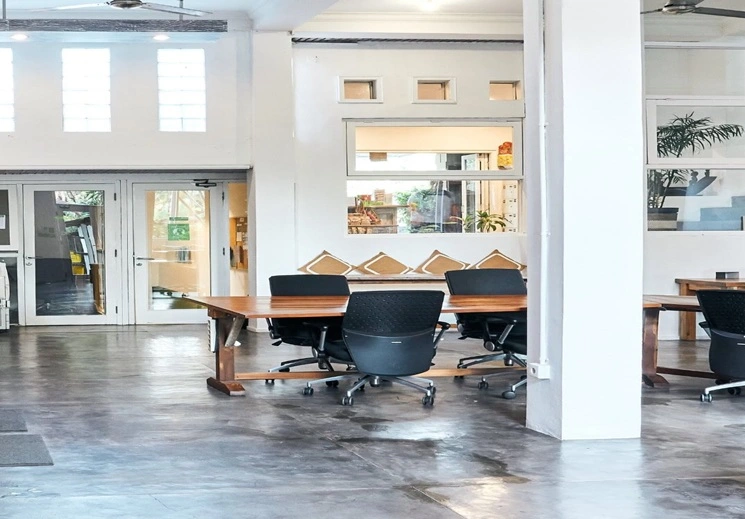
(Booking.com) View Outpost Ubud Penestanan on Trip.com
Tokyo: Technology, Transport and a Different Digital Nomad Experience
Citadines Shinjuku Tokyo for Longer City Stays
Tokyo provides a very different remote-work experience from Bali or Chiang Mai. It combines exceptionally extensive public transportation, dense neighborhoods, dining options, modern infrastructure, and access to both business districts and cultural attractions. Japan also operates an official digital-nomad visa category permitting eligible applicants to work remotely in the country for up to six months, with no extension under that specific status. For accommodation, Citadines Shinjuku Tokyo is particularly well suited to longer stays. Booking.com describes studio apartments with kitchenettes, desks, free Wi-Fi, wired internet, laundry facilities, and a fitness center, while Trip.com also highlights complimentary internet, a laundry room, gym, and central Shinjuku location. These features are exactly what a professional staying several weeks tends to need. Having a kitchenette can reduce restaurant expenses, while the desk and wired connection provide a backup for important work sessions. Tokyo is not normally considered a low-budget nomad destination, so choosing practical accommodation with cooking and laundry facilities can be an important part of controlling monthly costs.
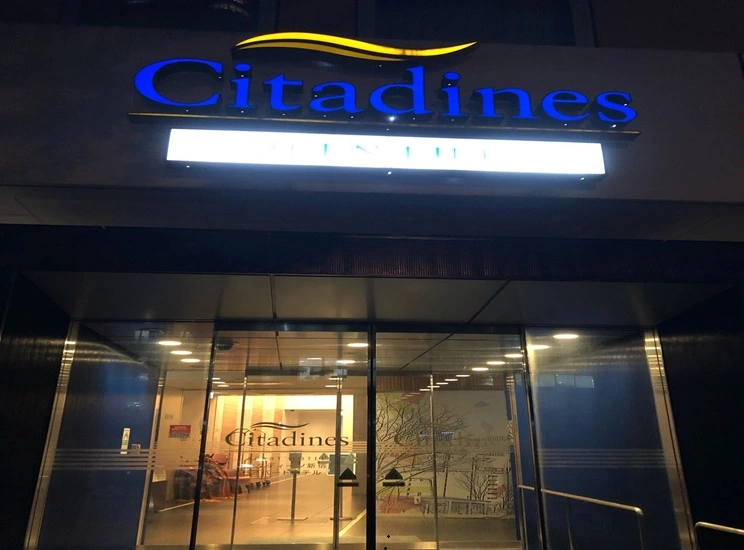
(Ministry of Foreign Affairs of Japan) Check Citadines Shinjuku Tokyo on Booking.com
Slow Travel vs. Fast Travel for Digital Nomads
Staying Longer Can Improve Both Productivity and Travel Quality
Slow travel is likely to remain one of the most practical remote-work habits throughout 2026 because constantly changing locations works against the routines that make professional life sustainable. Each move introduces new Wi-Fi, transportation, check-in rules, time zones, neighborhoods, and work environments. Even when the travel itself takes only a few hours, the disruption can occupy most of a working day. Staying for three or four weeks gives a digital nomad time to establish favorite cafés, identify grocery stores, learn transit routes, and understand when a neighborhood is noisy or quiet. It can also allow deeper cultural experiences that would be difficult during a rushed itinerary. From a financial perspective, slower travel may reduce flight and transfer costs, although accommodation savings are not guaranteed because some popular destinations charge high monthly rates. Hotels and serviced apartments that provide weekly or monthly discounts can therefore be particularly attractive. Travelers should compare the total cost of a long hotel stay with short-term apartment rentals rather than assuming one category is always cheaper. Productivity, comfort, safety, cancellation flexibility, and services such as laundry may justify paying slightly more.
How AI Is Changing Digital Nomad Travel
Technology Can Make Complicated Trips Easier to Plan
AI is becoming especially useful to digital nomads because their travel planning contains more variables than a normal holiday. A remote worker may need to compare visa rules, time differences, internet reliability, accommodation costs, flight schedules, coworking locations, tax considerations, and employer policies before choosing a city. Booking.com’s 2026 travel research indicates strong traveler openness to AI-supported personalization, and this type of technology can help turn hundreds of accommodation options into a smaller shortlist that matches specific needs. A traveler could prioritize hotels with kitchens and laundry, for example, or identify neighborhoods where evening calls with a U.S. employer are less likely to disturb other guests. AI can also help prepare local-language phrases, itineraries, expense plans, and packing lists. However, the technology should not be trusted as the final source for visa eligibility, tax residency, or immigration deadlines. Government requirements can change and personal circumstances matter. The most effective approach is to use AI for discovery and organization, then verify important legal information with official government sources and current hotel details through platforms such as Booking.com or Trip.com.
Remote Work Travel Challenges in 2026
Legal Compliance and Employer Permission Matter More Than Instagram Views
One of the less glamorous remote work travel trends 2026 is increasing attention to compliance. A person may technically be able to perform a job from anywhere with Wi-Fi, but that does not automatically mean their employer, immigration law, tax rules, data-security requirements, or insurance policies permit them to do so. MBO Partners reports that some traditionally employed digital nomads still travel without their employer fully knowing their location, while others operate with informal manager permission rather than a detailed company policy. That can create risks for both the worker and the employer. Before relocating internationally, employees should ask whether their organization allows cross-border remote work, whether some countries are prohibited, how long they may stay, and whether company devices can be used abroad. Freelancers face different issues but still need to understand local immigration and tax rules. Time-zone differences are another challenge. Working New York hours from Thailand, for example, can turn a normal job into an overnight schedule. The best digital-nomad destination is therefore not necessarily the cheapest or most beautiful one; it is the place where legal status, working hours, accommodation, connectivity, and lifestyle fit together. (MBO Partners)
How to Choose a Digital-Nomad-Friendly Hotel
Compare Work Facilities Before Choosing the Best View
Choosing accommodation carefully can determine whether remote travel feels productive or frustrating. Start with internet quality, but do not stop at the hotel’s claim that Wi-Fi is available. Read recent reviews and look specifically for comments from guests who worked from the property. Next, examine the room photos for an actual desk and chair rather than assuming a small decorative table is suitable for eight hours of laptop work. Kitchenettes, refrigerators, microwaves, and laundry facilities become increasingly valuable after the first week. A coworking lounge is useful for meeting people and separating work from sleep, but remote professionals dealing with confidential information should also have access to a private space for calls. Location matters differently for a digital nomad than for a weekend tourist: supermarkets, public transportation, gyms, pharmacies, cafés, and coworking spaces may be more important than being beside the number-one attraction. Finally, compare the complete price on Booking.com and Trip.com, including taxes, cancellation terms, breakfast, and length-of-stay discounts. The cheapest nightly rate can become expensive if it lacks facilities you need every day.
Remote Work Travel Trends 2026 FAQs
What Are the Most Important Nomad Statistics 2026 Travelers Should Know?
The phrase nomad statistics 2026 can be slightly misleading because major workforce studies are normally released after their data is collected, so the latest comprehensive figures available during 2026 may describe the previous year. MBO Partners’ 2025 research is currently one of the most useful U.S. benchmarks, reporting 18.5 million American digital nomads, representing growth of 153% compared with 2019. That scale shows why airlines, hotels, governments, and employers increasingly treat location-independent professionals as a meaningful group rather than a temporary pandemic-era phenomenon. On the employment side, FlexJobs reported that fully remote postings in its database rose 22% quarter over quarter in Q2 2026, although that figure should be understood as a measure of its own remote-job marketplace rather than the entire U.S. labor market. Together, the figures suggest that digital nomadism and remote work remain durable parts of the work landscape. However, the lifestyle still depends heavily on profession, employer policy, income stability, visa eligibility, and the ability to maintain productivity while traveling.
What Do Future Travel Predictions Say About 2026?
The major future travel predictions for 2026 point toward personalization, technology, and more purposeful trip planning rather than one universal destination dominating the year. Booking.com’s global research found travelers increasingly interested in experiences tailored to their personal identities and passions, with AI playing an important role in helping people discover highly specific destinations and activities. For digital nomads, this personalization can become even more detailed because they are not simply choosing where to vacation; they are choosing temporary places to live and work. Their recommendations may need to account for internet requirements, time-zone overlap, visa eligibility, accommodation style, monthly budget, access to coworking spaces, health and fitness preferences, and transportation. At the same time, WTTC’s positive travel industry outlook suggests that the wider sector will continue expanding, potentially creating more accommodation products and technology designed around specialized traveler groups. Digital nomads should expect greater choice, but also more complexity as countries compete through different visa rules and hotels compete through coworking, kitchens, long-stay packages, and community experiences.
Are Serviced Apartments Better Than Hotels for Remote Workers?
Serviced apartments can be particularly useful for digital nomads staying more than one or two weeks because they often provide facilities that resemble everyday housing while retaining some hotel services. A kitchenette means breakfast, coffee, and simple dinners can be prepared without eating out constantly, while on-site or self-service laundry reduces the hassle and cost of maintaining clothing during a longer trip. Additional living space can also create a healthier separation between work and sleep. However, serviced apartments are not automatically better for every traveler. Traditional hotels may provide stronger reception services, restaurants, housekeeping, gyms, business centers, and central locations, while social hotels or coworking hostels can make it easier for solo nomads to meet people. Properties such as Locke de Santa Joana in Lisbon and Citadines Shinjuku Tokyo show why hybrid accommodation models are appealing: they combine hotel-style infrastructure with features associated with longer residential stays. The best choice depends on your budget, work schedule, need for privacy, and length of stay. Compare both accommodation types before booking rather than assuming the word “apartment” guarantees better value.
Final Thoughts: The Future of Remote Work Travel
The remote work travel trends 2026 suggest that digital nomadism is becoming more structured, professional, and connected to the wider travel economy. The latest MBO research shows millions of Americans already living some form of nomadic work lifestyle, while FlexJobs’ current data points to renewed remote job growth in several professional categories. At the same time, WTTC’s travel industry outlook forecasts continued expansion for global Travel & Tourism, creating opportunities for hotels and destinations that understand the needs of longer-stay professionals. The next stage of digital nomad travel will probably involve fewer impulsive “laptop on the beach” decisions and more attention to visa rules, employer permission, taxes, internet reliability, time zones, and suitable accommodation. Hotels such as Locke de Santa Joana, The Social Hub Madrid, Somerset Rama 9 Bangkok, U Nimman Chiang Mai, TRIBAL Coworking Bali, Outpost Ubud Penestanan, and Citadines Shinjuku Tokyo demonstrate how varied remote-work accommodation has become. Before booking, compare current rates on Booking.com and Trip.com and prioritize the facilities that will actually support your working day.