
Mexico has become an attractive base for remote workers who want a combination of major cities, beaches, food, cultural experiences, international flight connections, and a wide range of accommodation. However, there is an important detail to understand before planning a move: Mexico does not currently have an immigration category officially named the “Mexico Digital Nomad Visa.” What travelers commonly call the Mexico digital nomad visa is usually Mexico’s Temporary Resident Visa, particularly the economic-solvency route used by applicants who can support themselves without taking paid employment from a Mexican employer. Temporary residence is intended for people planning to remain in Mexico for more than 180 days and up to four years. The initial visa is used to enter Mexico, after which the holder generally needs to complete the residence-card process with the National Migration Institute, or INM. For remote professionals, successful planning therefore involves much more than finding a beach and opening a laptop. You need to understand the income requirement Mexico, prepare the correct documents, follow the visa application process Mexico, research the cost of living Mexico, and choose accommodation that can genuinely support everyday remote work. (Embassy of Mexico)
Does Mexico Have a Digital Nomad Visa?
The Mexico Digital Nomad Visa Explained
The phrase Mexico digital nomad visa is useful for search engines and travelers, but it can create confusion because Mexico does not currently operate a visa carrying that official name. Instead, people who want to live in Mexico beyond the normal visitor period commonly investigate the Mexico Temporary Resident Visa. Official Mexican guidance describes temporary residence as appropriate for foreigners intending to remain in the country for longer than 180 days but no more than four years. The visa itself is generally a single-entry document used to enter Mexico and begin the residence-card process. It should therefore be understood as the first stage of temporary residency rather than as a four-year sticker placed in your passport. Remote workers using an economic-solvency route also need to understand the distinction between earning money from abroad and taking employment in Mexico. Mexican consular guidance specifically states that a Temporary Resident Visa does not by itself authorize the holder to receive compensation from a Mexican person, company, or entity; Mexican-paid employment requires appropriate work authorization. Because the program is not specifically branded for digital nomads, a remote employee or freelancer should confirm that their exact circumstances are acceptable with the consulate handling the application. (Embassy of Mexico)
Mexico Temporary Resident Visa for Remote Workers
The Mexico Temporary Resident Visa can be attractive to remote professionals because the economic-solvency route focuses heavily on whether the applicant has sufficient financial resources rather than requiring a Mexican employer. This can potentially fit a salaried professional working for a foreign company, a financially established freelancer, or another applicant who can demonstrate qualifying income or savings. However, remote workers should avoid presenting the visa as if Mexico had enacted a special work-from-anywhere law. The temporary residence rules existed independently of the digital-nomad trend, and Mexican consulates can assess applicants according to the formal categories and evidence requirements they publish. Another important feature is duration. Official guidance says temporary residence is for stays of more than 180 days and less than four years, while the entry visa itself is normally valid for six months and a single entry. Once the traveler enters Mexico, the visa needs to be exchanged for the appropriate residence card within the prescribed period. This makes temporary residence much more suitable for someone genuinely planning to base themselves in Mexico than for a traveler who simply wants a three-week workation. (Embassy of Mexico)
Mexico Digital Nomad Visa Requirements
Basic Documents and Eligibility
Applicants should expect the Mexico digital nomad visa requirements to involve both basic identity documents and evidence supporting the reason for temporary residence. Current Mexican consular instructions typically require a completed visa application, a valid passport, a recent passport-style photograph, and an in-person consular interview. If you are applying in a country where you are not a citizen, you may also have to demonstrate that you are legally resident there. The most important part for many remote workers is proof of economic solvency. Depending on the consulate and the route used, this may involve bank statements demonstrating substantial savings or documents showing a qualifying monthly salary or pension. Applicants should take original or properly accepted documentation to the appointment and follow the exact requirements published by the particular embassy or consulate they use. Some documents originating outside the country of application may also require legalization, apostille, or translation depending on the circumstances. Because financial thresholds and document procedures can change, copying an old checklist from a travel blog can create unnecessary delays. The responsible Mexican consulate should always be treated as the final source for your application. (Consulados de México)
Income Requirement Mexico: How Much Do You Need?
Monthly Income and Savings Requirements
The income requirement Mexico applies through economic-solvency calculations, and this is one area where travelers should be especially careful with articles claiming that everyone worldwide needs exactly the same dollar amount. Different Mexican consulates publish their own local currency or dollar equivalents based on the official calculation. For example, the Mexican Consulate in Philadelphia, updated in July 2026, lists an economic-solvency option of at least US$4,500 in monthly after-tax income during the previous six months, or personal investments/bank accounts with monthly balances of at least US$76,000 during the previous twelve months. The Mexican Consulate in Portland currently lists approximately US$4,500 monthly net income or around US$75,000 in qualifying bank/investment balances. These examples are useful because they show the approximate scale of financial resources currently required, but they should not be copied as a universal worldwide threshold. Your responsible consulate may calculate a somewhat different amount or impose slightly different documentation standards. For freelancers in particular, simply showing money entering an account may not be sufficient if the consulate also requires evidence explaining where that income comes from. (Consulados de México)
Why Financial Requirements Differ Between Consulates
The variation in the income requirement Mexico is one reason applicants should decide where they are legally eligible to apply before building their entire relocation plan. Mexican regulations establish economic-solvency formulas, but consulates publish their own practical equivalents and instructions. Those figures can change with the official measurement unit used in Mexico, exchange rates, and annual updates. Requirements can also differ in how many months of statements must be shown and whether employment letters, pay stubs, pension documentation, bank verification letters, or business records are expected. A person who qualifies easily under last year’s threshold should therefore not assume that the same amount will be sufficient in 2026. It is also wise to keep more documentation than the bare minimum. Remote employees can prepare employment letters confirming position, salary, employment duration, and that the employer is based abroad. Self-employed applicants can organize tax documentation, client contracts, business registration records where applicable, and matching bank deposits. Clear documentation makes it easier for a consular officer to understand the financial story behind the application instead of trying to reconstruct it from unrelated statements. (Consulados de México)
Documents Needed for the Mexico Temporary Resident Visa
Prepare Your File Before the Appointment
A well-prepared application file can make the visa application process Mexico considerably less stressful. Start with the current application form from the Mexican consulate where you will apply, along with your valid passport and the photograph specifications required by that office. Next, prepare your financial evidence in the exact format requested. If you are applying through employment income, that may include an employment verification letter, pay statements, and bank statements showing the deposits. If using savings or investments, you may need a complete series of bank or investment statements covering the required twelve-month period. Non-citizens applying from another country should also bring proof of their legal immigration status there. Applicants should read carefully whether electronic statements are acceptable or whether bank-stamped originals or verification letters are required. Names and account ownership should be consistent throughout the documents, and unexplained transfers should not be relied upon to demonstrate normal recurring income. Requirements are not identical at every consular post, so use a generic checklist only for planning; the checklist published by your actual embassy or consulate should determine what goes into your final application packet. (Consulados de México)
Visa Application Process Mexico: Step-by-Step
From Consular Appointment to Approval
The visa application process Mexico begins outside Mexico at the appropriate Mexican embassy or consulate. First, locate the consular office responsible for you and read its current Temporary Resident Visa instructions. Confirm that you satisfy one of the qualifying routes, such as economic solvency, before spending money on unnecessary documents. Next, gather the passport, application form, photograph, financial evidence, and any supporting immigration-status or employment documents required by the office. Schedule an appointment using the procedure specified by that consulate; Mexico’s official consular information refers applicants to its appointment systems, although local procedures can vary. Attend the appointment personally and be prepared for a consular interview about your intended stay and financial circumstances. Pay the required visa-processing fee, and then wait for a decision. A visa application does not guarantee approval, and even an issued visa does not itself guarantee admission at Mexico’s border because immigration officials retain authority over entry. Avoid purchasing an expensive non-refundable multi-month hotel reservation before your approval and travel dates are sufficiently certain. (Embassy of Mexico)
Step Two: Complete the Residence Card Process in Mexico
Receiving the Temporary Resident Visa is not the end of the process. After entering Mexico using that visa, the holder generally has 30 calendar days to visit an office of the Instituto Nacional de Migración and complete the exchange, commonly called the canje, for the Temporary Resident Card. Official INM guidance explicitly states that foreigners entering with a temporary or permanent resident visa must obtain the residence document within this 30-day window. This step is extremely important because the card becomes the document that demonstrates your lawful temporary resident status while living in Mexico. Travelers should therefore avoid planning a packed sightseeing schedule immediately after arrival that leaves no time for immigration formalities. Staying in a central hotel or aparthotel for the first week or two can be practical because it gives you a stable address while organizing appointments, transportation, mobile service, banking questions, and eventual long-term housing. Keep your passport and immigration documentation accessible, follow the instructions provided at entry, and check the current INM procedure before your flight because administrative processes can change. (INM)
Mexico Digital Nomad Visa Cost in 2026
Visa and Residence Card Fees
The Mexico digital nomad visa cost should be divided into the consular visa fee and the later residence-document expenses inside Mexico. Current 2026 Mexican consular information lists a US$56 visa application fee at multiple posts. That payment is generally charged for processing the visa request and should not be interpreted as a guarantee that the visa will be issued. After arrival, additional INM fees apply when obtaining the residence card. Mexico’s immigration authority published an updated 2026 migration-fee schedule and advises applicants to verify the current amount before paying. The current government procedure table lists Temporary Resident Card fees according to authorized duration, including MXN 5,571 for up to one year, MXN 8,347 for two years, MXN 10,571 for three years, and MXN 12,529 for four years. Your actual payable amount depends on the procedure and period authorized in your case, so do not assume you can simply choose any duration from the table. Beyond official fees, budget for photographs, document preparation, transportation to the consulate, flights, initial accommodation, insurance, and a rental deposit if you later move into an apartment. (Embassy of Mexico)
How Long Can You Stay in Mexico?
Temporary Residence Can Cover Up to Four Years
Mexico’s Temporary Resident category is intended for people who want to remain in the country for more than 180 days but no longer than four years. This makes it substantially different from a tourist visit and attractive to remote professionals who want enough time to create a real home base. The entry visa is generally valid for six months and one entry, but it serves primarily as the document allowing you to enter Mexico and complete the residence-card process. The residence card is what supports the longer legal stay. The exact period of the first card and subsequent renewal procedure will depend on the authorization and circumstances, so applicants should follow INM instructions rather than assuming that a four-year maximum automatically means a four-year card from day one. Mexico also provides immigration routes through which some people may later qualify for permanent residence after completing the applicable period as temporary residents, but permanent residence has its own conditions. If your goal is simply to spend six months or a year working remotely from Mexico, focus first on satisfying the Temporary Resident requirements and keeping your immigration documents current rather than planning several years ahead. (Embassy of Mexico)
Cost of Living Mexico for Digital Nomads
Mexico City Costs
The cost of living Mexico cannot be described accurately with one national monthly budget because Mexico City, Playa del Carmen, Mérida, Oaxaca, Guadalajara, and smaller cities have very different rental markets and lifestyles. Current crowdsourced Numbeo data, updated in August 2026, illustrates the Mexico City picture. A one-bedroom apartment in the city center averages about MXN 19,193 per month, compared with roughly MXN 12,159 outside the center. Home internet of 60 Mbps or higher averages around MXN 629 per month, while a normal monthly public-transport pass averages roughly MXN 360. An inexpensive restaurant meal is currently reported at around MXN 202. These numbers are useful for orientation, not guarantees: Roma Norte, Condesa, Polanco, Narvarte, and other areas can have very different rental prices, and furnished short-term housing usually costs more than ordinary residential leases. A first-time digital nomad should also budget for deposits, temporary hotel accommodation, mobile data, coworking, insurance, occasional taxis or ride-hailing, entertainment, and flights home. (Numbeo)
Playa del Carmen and Coastal Mexico
Beach destinations create a different cost of living Mexico calculation because highly desirable tourist zones can sometimes be more expensive than travelers expect. Current crowdsourced data for Playa del Carmen shows a central one-bedroom apartment at approximately MXN 18,391 per month, although the reported range is wide and the number of contributors is smaller than for Mexico City. Accommodation near the beach and Fifth Avenue can vary dramatically with season, property quality, and length of booking. Digital nomads should also account for air-conditioning use, taxis or scooter transport, coworking memberships, and the tendency to spend more in tourist-oriented restaurants and cafés. On the other hand, apartment-style hotels with a kitchen can help control food expenses, particularly during stays of several weeks. When comparing a beach destination with Mexico City, do not assume the coastal option will automatically be cheaper simply because it feels more relaxed. Search your actual dates on Booking.com or Trip.com, compare several neighborhoods, and calculate the complete monthly cost including workspace and transportation rather than focusing only on rent. (Numbeo)
Best Cities in Mexico for Digital Nomads
Mexico City for Urban Remote Work
Mexico City is one of the strongest choices for remote professionals who want a large urban environment rather than a resort lifestyle. Areas such as Condesa and Roma Norte provide cafés, restaurants, parks, furnished accommodation, and convenient access to different parts of the city, while Narvarte can appeal to travelers seeking a more residential base. Mexico City also gives digital nomads access to extensive cultural attractions and a wide range of hotels, aparthotels, and business-oriented accommodation. The biggest challenge is scale: traffic and travel times can be significant, which makes neighborhood selection especially important. Instead of simply booking the cheapest room in the metropolitan area, choose somewhere near the services you expect to use regularly. A hotel with a kitchen, laundry, or coworking area may also reduce the number of trips you need to make each day. Staying in a flexible hotel for the first one or two weeks is a useful strategy because you can visit Roma, Condesa, Narvarte, Polanco, and other areas personally before signing a longer rental agreement.
Playa del Carmen, Puerto Vallarta, Oaxaca, Mérida and Guadalajara
Mexico offers remote workers several very different alternatives to the capital. Playa del Carmen combines Caribbean beaches with a substantial international traveler community and a large supply of apartments, aparthotels, cafés, and coworking options. Puerto Vallarta offers coastal living on the Pacific side and can appeal to travelers who want a functioning city alongside beach access. Oaxaca is attractive for food, culture, architecture, and a slower pace, while Mérida is often considered by travelers seeking a more residential Yucatán city experience. Guadalajara provides a major urban alternative with technology businesses, restaurants, international connections, and a large local economy. The best choice depends heavily on working style. Someone who needs frequent international flights and corporate facilities may prefer Mexico City or Guadalajara, while a freelancer with flexible hours may prioritize Playa del Carmen or Puerto Vallarta. Wherever you choose, verify internet quality at the specific property, because a city-level claim about good connectivity does not guarantee that your particular hotel room will support an important video meeting.
Best Hotels in Mexico for Digital Nomads
Be Local Lofts & Coworking – Strong Choice for Work Facilities
Be Local Aparthotel is especially relevant for a digital-nomad article because Booking.com lists the property as Be Local Lofts & Coworking and describes features clearly designed for longer, work-oriented stays. Current listings show free Wi-Fi, work desks, refrigerators, microwaves, kitchenettes, a shared kitchen, a business center, terrace, lounge, and laundry facilities. Booking.com currently gives the property a 9.1 overall guest score and 9.5 for free Wi-Fi, although scores can change as new reviews are added. The Narvarte location can also appeal to people who prefer a more residential part of Mexico City rather than living directly in the busiest tourist neighborhoods. For someone arriving with the Mexico Temporary Resident Visa, this type of aparthotel can work well for the first several weeks because you have enough facilities to live normally while exploring apartments elsewhere. The combination of desk, kitchen access, and laundry is more meaningful for a digital nomad than a luxury lobby or elaborate room service menu. (Booking)
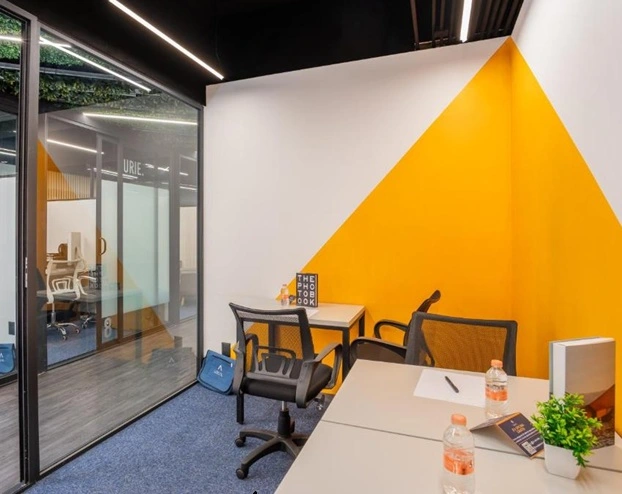
Check Be Local Lofts & Coworking on Booking.com
Casa Decu – Best for Condesa Lifestyle
Casa Decu is located in Hipódromo Condesa and can suit digital nomads who prioritize a highly walkable, restaurant-rich neighborhood. Booking.com currently lists rooms with free Wi-Fi and work desks together with a terrace, laundry service, 24-hour reception, restaurant, baggage storage, and complimentary bicycles. Its location score is currently 9.6, while the free-Wi-Fi category is rated 9.4, although both figures can change over time. Casa Decu does not offer the same apartment-style setup as every serviced residence, so travelers planning a one-month stay should check the specific room category and consider whether they need a full kitchen. Its main advantage is location. Condesa gives a newly arrived remote worker convenient access to parks, cafés, restaurants, Roma Norte, and other central neighborhoods, allowing daily life to happen largely within a relatively compact area. This can make Casa Decu particularly attractive as a first-week hotel before deciding whether to rent longer-term in Condesa or explore a less expensive neighborhood. (Booking)
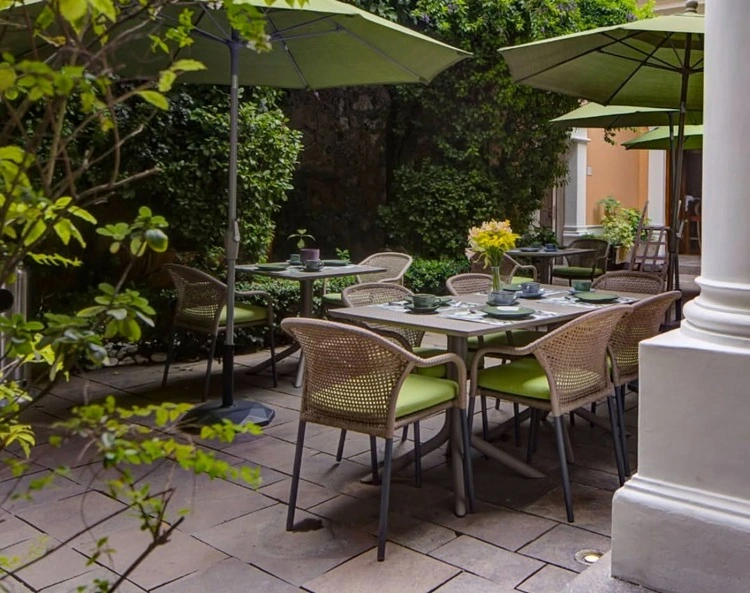
ONTO Tonalá Mexico City – Stylish Roma Option
ONTO Tonalá Mexico City is a more hotel-oriented choice for remote professionals who want to be around Roma Norte while still having a proper workspace in the room. Booking.com currently lists rooms with free Wi-Fi, work desks, air conditioning, minibars, city views, and access to a restaurant, terrace, coffee shop, concierge service, and wellness facilities. Its current Booking.com score is 8.6 with a location rating of 9.4. The property will generally suit someone who values a polished hotel environment more than having a private kitchen or washing machine. That can be perfectly reasonable for a one- or two-week arrival stay, especially if you expect to eat out regularly and use nearby cafés or coworking spaces. Roma Norte is popular precisely because restaurants, nightlife, cafés, and other daily conveniences are concentrated within the neighborhood. For a business traveler or remote employee who wants comfort and a proper desk without immediately committing to an apartment, ONTO Tonalá provides a useful alternative to traditional extended-stay accommodation. (Booking)
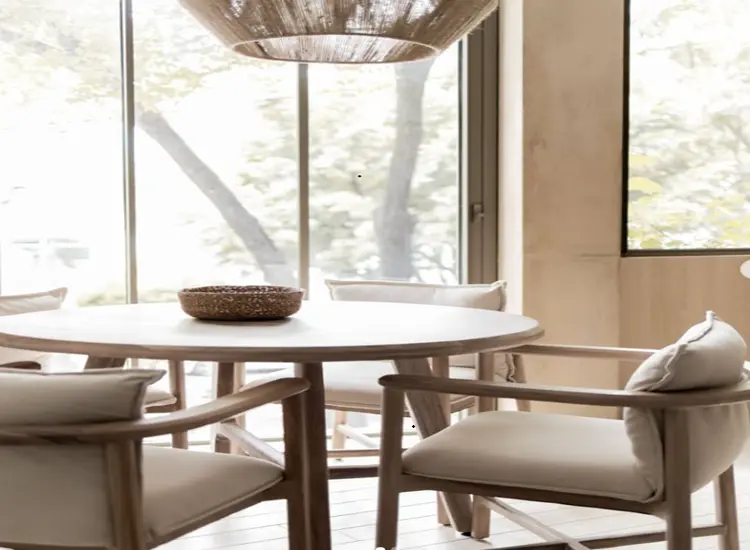
Check ONTO Tonalá on Booking.com
City Express Suites Anzures – Good for Apartment-Style Business Stays
City Express Suites by Marriott Ciudad de México Anzures is one of the most practical options for remote professionals who want more space and conventional business-hotel services. Booking.com currently lists one-bedroom suites with private kitchens, work desks, seating areas, refrigerators, microwaves and stovetops. The property also offers free Wi-Fi, laundry, a fitness center, business center, daily housekeeping, 24-hour reception, and breakfast. These features make it especially appealing for someone staying multiple weeks because you can prepare meals, work from a dedicated desk, exercise on site, and access hotel staff when needed. The current Booking.com Wi-Fi score is more modest than some other options, so anyone with bandwidth-intensive work should read recent connectivity reviews before booking. The Anzures location also provides convenient access toward Polanco and other business-oriented parts of the city. For a couple or professional needing more living space, the suite format can provide a more sustainable setup than working from a compact hotel bedroom for an entire month. (Booking)
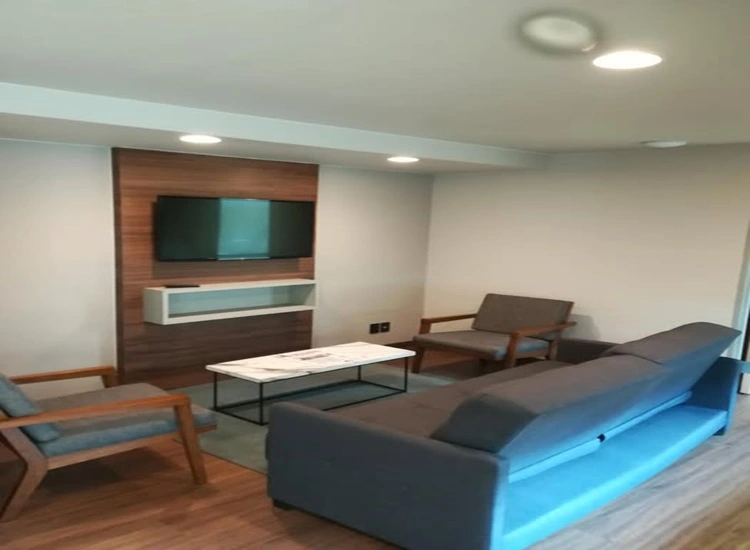
View City Express Suites Anzures on Booking.com
Claro de Luna – Apartment-Style Stay in Playa del Carmen
Claro de Luna provides a completely different experience for travelers who want the Caribbean lifestyle rather than Mexico City. Booking.com currently lists aparthotel-style units with air conditioning, balconies or terraces, fully equipped kitchenettes, two swimming pools, and free Wi-Fi. Its current guest score is 9.0, while the Wi-Fi category is rated 10.0; those scores should of course be rechecked when you book. A kitchenette is particularly valuable in Playa del Carmen because eating every meal in tourist-oriented restaurants can quickly raise the cost of a long stay. The property may suit remote workers who enjoy preparing breakfast or lunch at home and then exploring the city after work. As with any beach destination, check room noise, actual desk arrangements, and internet reviews rather than assuming that a beautiful apartment will automatically provide an ideal professional workspace. If your main goal is a remote-work stay rather than a short beach holiday, those practical details should guide the booking decision. (Booking)
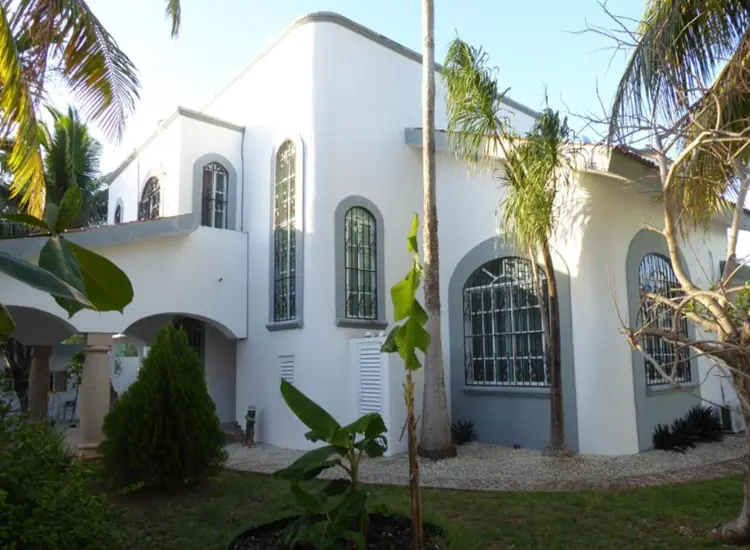
Check Claro de Luna on Booking.com
La Posada Pacifica – Fast Wi-Fi and Kitchen Facilities Near Puerto Vallarta
La Posada Pacifica can be worth considering for remote workers who want a quieter Pacific-coast environment. Booking.com currently lists the property with aparthotel-style accommodation, balconies or terraces, kitchen facilities, air conditioning, sea views, and free Wi-Fi measured at 105 Mbps on its listing. The current overall guest rating is 8.8. Its location in Boca de Tomatlán is away from the central Puerto Vallarta hotel zone, which can be appealing if your goal is concentrated work and coastal scenery rather than nightlife and constant urban activity. The trade-off is transportation: staying farther from central services means you should consider how often you need supermarkets, coworking spaces, restaurants, or appointments. For a freelancer with a flexible schedule, the combination of kitchen facilities and strong reported Wi-Fi can be attractive for a slower stay. Someone who needs daily business meetings in central Puerto Vallarta may prefer a more urban location despite potentially paying more. (Booking)
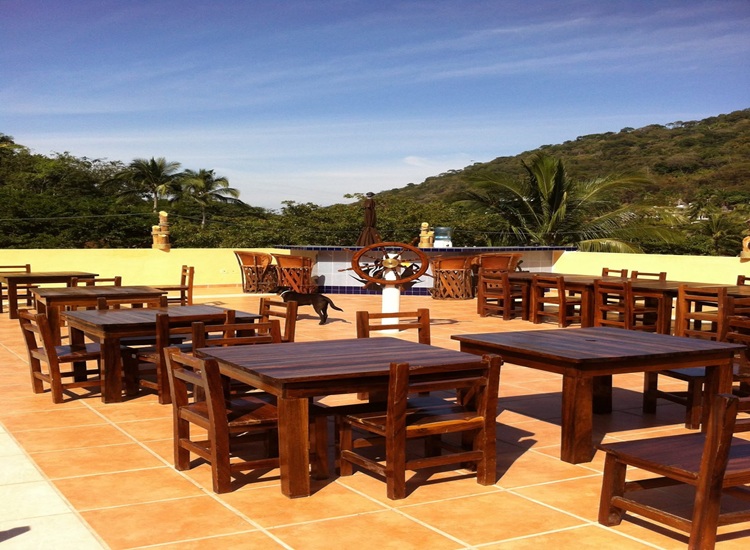
View La Posada Pacifica on Booking.com
Hotel vs. Serviced Apartment vs. Coliving in Mexico
Which Accommodation Is Best for a Remote Worker?
Traditional hotels work particularly well during the first stage of a move because they provide reception staff, housekeeping, security, and a straightforward booking process. Their weakness for long stays is that rooms may lack kitchens, laundry, storage, or separate living and working areas. Serviced apartments often solve those problems by combining hotel-style support with kitchens, refrigerators, washing facilities, desks, and additional space. This is why properties such as Be Local Lofts & Coworking or City Express Suites are particularly relevant to digital nomads. Coliving sits somewhere else on the spectrum, emphasizing shared working areas, kitchens, networking, and community. It can be ideal for a solo freelancer who wants to meet people, but a remote employee dealing with confidential information may prefer a private hotel or apartment. The best solution is often to book a hotel or aparthotel for your first 7–14 days, use that period to explore neighborhoods, and only then decide whether you need a conventional rental, serviced apartment, or coliving arrangement for the remainder of your stay.
What to Look for in a Digital-Nomad-Friendly Mexico Hotel
Wi-Fi, Workspace and Long-Stay Facilities
Reliable Wi-Fi should be the first requirement, but simply seeing “free Wi-Fi” in a hotel listing is not enough. Read recent reviews to find out whether guests were able to handle video calls and sustained work sessions. Next, inspect room photographs for a real work desk and chair. Kitchen or kitchenette access becomes increasingly useful after the first week, while a refrigerator, microwave, and washing machine can substantially reduce everyday costs. Quiet rooms are important for people working across time zones, and air conditioning matters considerably in destinations such as Playa del Carmen, Mérida, and Puerto Vallarta. Location should also be judged according to everyday living: supermarkets, public transportation, cafés, pharmacies, gyms, and coworking facilities may matter more than proximity to the city’s most famous tourist attraction. Finally, examine cancellation policies carefully. If your Temporary Resident Visa or employer permission is still pending, the cheapest non-refundable booking may carry more financial risk than a slightly more expensive flexible reservation.
You might like: The Ultimate Remote Work & Digital Nomad Guide : Travel Trends 2026
Internet and Coworking in Mexico
Always Have a Backup Connection
Mexico’s largest digital-nomad destinations have plenty of accommodation advertising Wi-Fi, but remote professionals should still plan for connection failures. A mobile-data plan or eSIM can provide backup access if hotel Wi-Fi unexpectedly goes down during an important call. Coworking spaces are useful for people who need more ergonomic seating, private meeting rooms, networking, or separation between their bedroom and workspace. They can also solve the problem of a beautiful hotel having an unsuitable desk. Before buying a month-long coworking membership, however, check whether your hotel already provides business facilities or communal working areas. Be Local Lofts & Coworking, for example, explicitly combines accommodation with work-oriented facilities, while other hotels provide desks but not dedicated coworking. Digital nomads who work with large media files or require uninterrupted video conferencing should ask a property directly about internet performance and backup options instead of assuming that a high overall guest rating represents connection quality.
Taxes for Digital Nomads in Mexico
Residence Status and Tax Status Are Different Questions
Immigration residence and tax residence should not be treated as the same thing. Receiving a Mexico Temporary Resident Visa tells you about your immigration permission to stay in Mexico; it does not automatically answer how Mexico or another country will tax your income. Tax treatment can depend on factors such as where you maintain your home, how much time you spend in Mexico, where your employer or clients are located, the source of your income, business activities, and any applicable tax treaty. This becomes increasingly important for digital nomads who remain in Mexico for many months rather than simply visiting for a short workation. Remote employees should also consider whether their employer has rules limiting international work for payroll, corporate-tax, insurance, or data-security reasons. A freelancer may have different issues involving business income and clients. Because tax outcomes are highly dependent on individual circumstances, a long-term remote worker should obtain advice from a tax professional familiar with both Mexico and their home jurisdiction rather than relying on a simple statement that digital nomads “do” or “do not” pay tax in Mexico.
Advantages and Challenges of Mexico for Digital Nomads
Mexico offers an unusually wide range of lifestyles within one country. Remote workers can choose the scale and culture of Mexico City, the Caribbean environment of Playa del Carmen, the Pacific coast around Puerto Vallarta, the food and heritage of Oaxaca, the residential atmosphere of Mérida, or the urban economy of Guadalajara. Proximity to the United States and Canada can also be useful for North American workers who need relatively straightforward flight connections. The country has accommodation ranging from inexpensive guesthouses to coworking aparthotels and premium hotels, making it possible to adapt a stay to different budgets. The challenges are equally real. Costs can be surprisingly high in fashionable neighborhoods and resort areas, traffic can consume significant time in major cities, internet performance varies by property, and the Temporary Resident Visa requires real paperwork and financial eligibility. Spanish is also valuable for everyday life even when hotel staff or coworking communities speak English. Mexico can therefore be an excellent remote-work destination, but it works best for travelers who choose the city, neighborhood, and accommodation according to their real working routine rather than treating the entire country as one interchangeable “digital nomad destination.”
Mexico Digital Nomad Visa FAQs
Does Mexico Have an Official Digital Nomad Visa?
No. Mexico currently does not offer an immigration document officially called the Mexico Digital Nomad Visa. The expression is commonly used online to describe the Temporary Resident Visa route that some financially self-sufficient remote professionals investigate when they want to remain in Mexico longer than 180 days. Temporary residence can support stays of up to four years depending on the authorization and renewals, but it should not be confused with permission to take ordinary Mexican-paid employment. Mexican consular guidance states that receiving compensation from a Mexican company or entity requires the appropriate work authorization. Applicants whose income comes from abroad should still explain their exact circumstances accurately and verify with their responsible Mexican consulate that the Temporary Resident route they intend to use is appropriate. (Embassy of Mexico)
What Is the Income Requirement Mexico Uses in 2026?
There is no single dollar figure that should be quoted as universally applicable to every consular office. Current 2026 examples show the approximate level: Mexico’s Philadelphia consulate lists US$4,500 in net monthly employment or pension income during the previous six months or US$76,000 in qualifying bank/investment balances during the previous twelve months. Portland lists approximately US$4,500 in monthly net income or US$75,000 in qualifying balances. Because consular calculations and documentation requirements can differ and change, use these figures only as planning benchmarks. Check the specific office where you will submit your application before assuming you qualify or moving money between accounts. (Consulados de México)
How Much Does the Mexico Temporary Resident Visa Cost?
Current Mexican consular information for 2026 lists a visa-processing fee of US$56 at multiple consular posts. After entering Mexico, you also need to budget for the INM residence-document procedure. Current official government tables show temporary residence-card charges that vary by the authorized length of residence, and Mexico’s INM has specifically published updated 2026 migration fees. These official charges are only one part of the total relocation budget. Document preparation, transport to your consular appointment, flights, initial hotel accommodation, insurance, deposits, and eventual apartment expenses can cost considerably more than the visa itself. Always verify the official fees shortly before paying because Mexico updates immigration charges periodically. (Embassy of Mexico)
Is Mexico City Good for Digital Nomads?
Mexico City can be an excellent choice for people who prefer big-city living and want a large selection of accommodation, cafés, restaurants, cultural activities, and services. Condesa and Roma Norte are popular with international travelers, while Narvarte can provide a more residential alternative. The city also has several properties particularly suitable for remote workers, ranging from coworking aparthotels to business-style suites with kitchens. The main disadvantages are traffic, travel times, air quality concerns, and rising rental costs in popular neighborhoods. Current crowdsourced data puts the average one-bedroom city-center rent at around MXN 19,193 per month, although furnished short-term accommodation in highly desirable areas can be considerably different. Spending your first week in a flexible hotel can help you determine which neighborhood genuinely suits your work and lifestyle before signing a longer agreement. (Numbeo)
Final Thoughts: Is Mexico Worth It for Digital Nomads?
The Mexico digital nomad visa is best understood not as a special digital-nomad program but as the possibility of using Mexico’s existing Temporary Resident Visa when your circumstances satisfy its rules. For remote professionals, the biggest hurdle is often the income requirement Mexico, which currently requires substantial documented income or savings and can vary slightly between consular posts. Once qualified, the visa application process Mexico involves a consular application followed by the residence-card procedure after arrival. The cost of living Mexico then depends heavily on where you settle: Mexico City, Playa del Carmen, Puerto Vallarta, Oaxaca, Mérida, and Guadalajara offer very different experiences and accommodation markets.
Hotel selection should be part of the relocation strategy rather than an afterthought. A flexible aparthotel with reliable Wi-Fi, a desk, kitchen, and laundry can give you several weeks to understand your destination before committing to a long lease. Compare current Booking.com and Trip.com listings, check recent work-related reviews, and choose the property that supports your weekday working life as well as your weekends.