
France remains one of Europe’s most desirable places to live and work remotely, yet it does not offer a dedicated digital nomad visa in the same straightforward way as Portugal or Spain. Instead, remote professionals rely on existing long-stay visa France pathways, primarily the visitor route or the Talent residence permit (formerly Passeport Talent), along with the profession libérale option for freelancers. This guide explains the real options available France Digital Nomad Visa in 2026, the income threshold France authorities expect, the costs involved, and the practical steps to apply. It also highlights why many remote workers begin with long-stay hotel deals — flexible, fully equipped bases that provide reliable WiFi, desks, and the ability to settle in while paperwork is finalized. Whether you are comparing freelance visa Europe alternatives or specifically targeting France, understanding these routes will help you plan realistically.
Does France Actually Offer a Digital Nomad Visa in 2026?
France has never launched a pure digital nomad visa, and none is scheduled for 2026. Official policy continues to channel remote workers into existing categories. The long-stay visitor visa (VLS-TS Visiteur) can work for people employed by a foreign company who keep their work entirely outside the French economy, receive payment abroad, and remain taxed in their home country. A June 2026 clarification from the Ministry of the Interior confirmed that such remote activity is generally regarded as non-active under French immigration rules, provided no French clients or local professional activity is involved. For those who want to freelance or engage more deeply with the French market, the profession libérale route or certain Talent categories become relevant. The Talent residence permit offers multi-year stays (up to four years, renewable) for qualified employees, innovative project leaders, and some independent professionals. Because the rules sit across several categories rather than one simple “digital nomad” label, applicants must match their exact work situation to the correct pathway. Hotels with flexible long-stay rates become especially useful here: they give you a stable, productive base while you navigate the correct long-stay visa France option without the pressure of an immediate long-term lease.
France Visa Requirements: Who Qualifies?
Eligibility depends on the route you choose. For the long-stay visitor visa, you must prove sufficient financial resources — typically referenced against the French minimum wage (SMIC) — hold comprehensive health insurance, show accommodation plans, and commit not to exercise professional activity that falls under French law. Recent practice accepts remote work for a foreign employer when income and tax remain outside France. For the Talent – Qualified Employee category, you generally need a relevant degree or equivalent experience plus a French employment contract meeting the current income threshold France sets (approximately €39,582 gross per year in 2026 for the main salaried track). Freelancers aiming for the profession libérale or related Talent tracks must demonstrate an economically viable activity and resources at least around the SMIC level, often supported by a business plan and proof of past earnings. Clean criminal records, valid passports, and translated supporting documents are standard across all routes. Because requirements can be interpreted differently by consulates, always cross-check the latest official France visa requirements on the France-Visas portal and consider professional advice for complex freelance visa Europe situations. Securing a hotel booking that can be extended or cancelled flexibly helps demonstrate stable accommodation without locking you into a rigid lease before approval.
Cost Breakdown: What You Will Actually Pay
Costs fall into several clear categories. Visa application fees for a long-stay visa France typically start around €99, with additional residence-permit taxes payable after arrival (often in the €150–€250 range depending on the exact card). Comprehensive health insurance covering the full stay is mandatory and can range from a few hundred to over a thousand euros depending on age, coverage level, and provider. You must also show proof of sufficient funds — the income threshold France applies varies by route but is commonly tied to SMIC figures or the higher Talent salary floors. Document translation, courier fees, and possible legal assistance add further expenses. Once in France, living costs (especially in Paris) are high, which is why many remote workers prioritise long-stay hotel deals in the first weeks or months. These deals reduce the largest variable cost — accommodation — while providing WiFi, desks, and services that keep productivity intact during the transition. Comparing total first-year outlay across routes helps you decide whether the visitor path, Talent track, or a freelance visa Europe alternative elsewhere makes more financial sense.
Step-by-Step: How to Apply for a France Long-Stay Visa as a Remote Worker
Begin by identifying the correct category on the official France-Visas website. Gather core documents: passport, proof of income or resources, health insurance certificate, accommodation evidence, and any route-specific items such as an employment contract, business plan, or degree certificates. Most applications are submitted online, followed by a consulate appointment for biometrics and original documents. Processing times commonly range from several weeks to a few months. After arrival on a long-stay visa, you may need to validate the visa or apply for the corresponding residence permit through the ANEF online portal. Keep copies of everything and track deadlines carefully. Because accommodation proof is required, many applicants book a flexible hotel or aparthotel that appears on Booking.com or Trip.com and can be extended once the visa is approved. This approach avoids the risk of signing a long lease before the outcome is known and gives you an immediate, work-ready base upon landing.
You might like: Ireland Digital Nomad Visa: Eligibility, Costs & How to Apply
Best Cities in France Digital Nomad Visa + Hotel Recommendations
Paris
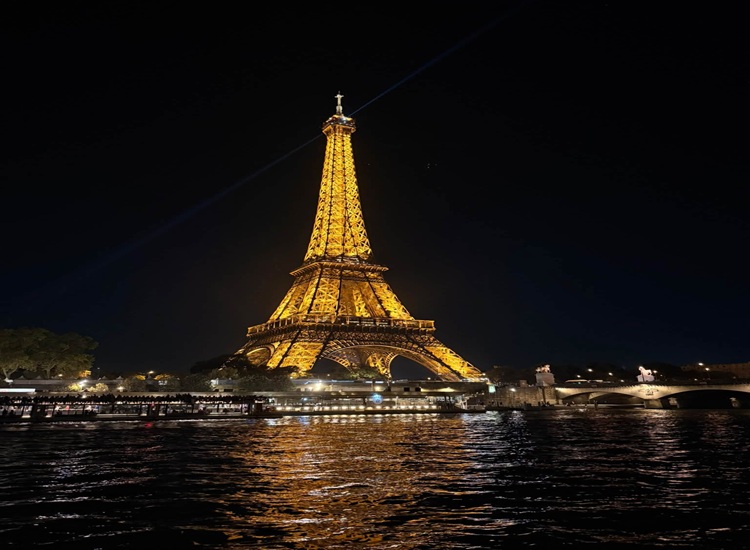
Paris offers the densest infrastructure, coworking scene, and international networking, but it also carries the highest costs. For a productive base while handling visa formalities, several hotels stand out. Zoku Paris is specifically designed for remote workers, featuring loft-style rooms with large work tables, kitchenettes, fast WiFi, and rooftop coworking spaces. It regularly appears on Booking.com with flexible long-stay options. The Social Hub Paris La Défense combines private rooms with on-site coworking, a gym, and community events — ideal if you want both focus and social connection. citizenM properties (Gare de Lyon, Champs-Élysées, La Défense) deliver modern rooms, reliable high-speed internet, and easy extensions for medium-term stays. OKKO Hotels Paris also works well for digital nomads thanks to comfortable workspaces and weekly or monthly rate flexibility. These hotels give you a stable, professional environment while you complete the long-stay visa France process.
Lyon
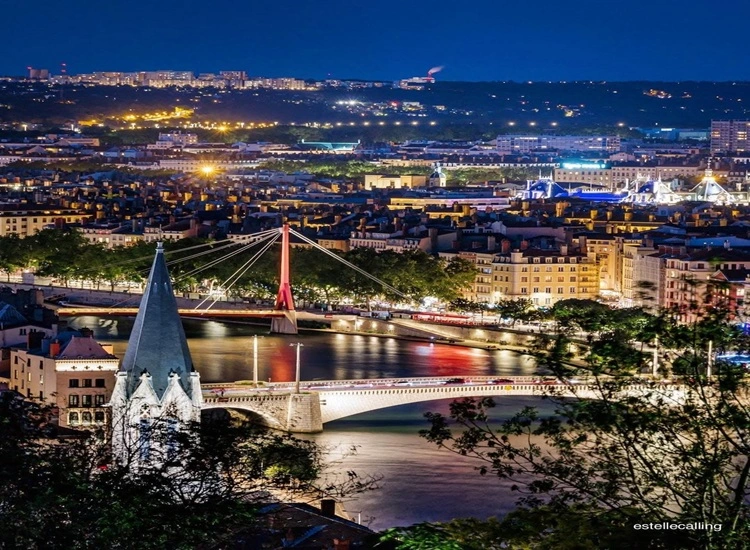
Lyon is frequently recommended as a more affordable yet highly livable alternative to Paris. It offers excellent food, strong internet infrastructure, and a growing remote-worker community. Mama Shelter Lyon provides stylish, work-friendly rooms with solid WiFi and a lively atmosphere that many digital nomads appreciate. OKKO Hotels Lyon focuses on modern, comfortable stays with good desks and connectivity, making it suitable for longer bookings. Aparthotel-style properties listed on Booking.com and Trip.com in central Lyon often include kitchenettes and laundry facilities, which help control costs during the first months. Choosing one of these hotels allows you to enjoy Lyon’s quality of life while maintaining productivity and keeping accommodation flexible until your residence status is fully settled.
Nice and the Côte d’Azur
Nice combines Mediterranean climate with improving connectivity and a more relaxed pace. For remote workers, aparthotels and mid-range lifestyle hotels that advertise long-stay rates on Booking.com and Trip.com are the most practical choice. Look for properties that confirm recent guest reviews mentioning WiFi speed and the presence of a proper desk. Many offer weekly discounts once your stay exceeds seven or fourteen nights. These bases give you a quiet, work-ready environment while you enjoy the Côte d’Azur lifestyle and finalise any remaining long-stay visa France administrative steps.
Long-Stay Hotel Deals: The Smart Accommodation Strategy
Long-stay hotel deals solve several practical problems for anyone navigating a long-stay visa France application. They provide immediate, fully serviced accommodation with high-speed internet and workspaces, eliminate large deposits or complex lease negotiations, and allow easy extension or cancellation if plans change. In Paris, Zoku Paris, The Social Hub Paris La Défense, citizenM, and OKKO Hotels regularly offer flexible rates suitable for remote professionals. In Lyon, Mama Shelter and OKKO Hotels provide similar advantages at a lower overall cost. On the Côte d’Azur, aparthotels with kitchen facilities and confirmed desks perform the same role. When contacting hotels, mention you are applying for or holding a remote-work-related visa and ask about long-stay pricing, desk quality, and quiet hours. Having a confirmed, flexible hotel base strengthens your accommodation proof for the visa file and gives you a calm, productive environment while you complete any in-country formalities. This strategy bridges the gap between arrival and longer-term housing without the stress of an immediate apartment search.
Life After Approval: Practical Tips for Living & Working in France
Once your long-stay visa or residence permit is in hand, open a French bank account if required by your route, register for healthcare if eligible, and locate reliable coworking spaces for variety. Tax residency rules can apply after a certain number of days, so understand your obligations early. Many remote workers keep a hotel or aparthotel base for the first one to three months while they explore neighbourhoods and decide on longer housing. This period is also ideal for testing different work setups and meeting other professionals. Whether you entered via the visitor route, Talent track, or a freelance visa Europe-style profession libérale path, treating your first accommodation as a flexible hotel stay reduces pressure and keeps your focus on work and settling in.
Conclusion: Is the France Digital Nomad Path Right for You?
France does not offer a simple digital nomad visa, but viable long-stay visa France options exist for remote employees of foreign companies, qualified professionals, and freelancers who meet the relevant income threshold France sets for each route. Success depends on matching your exact work situation to the correct category, preparing thorough documentation, and planning accommodation carefully. Long-stay hotel deals available on Booking.com and Trip.com — including Zoku Paris, The Social Hub Paris, citizenM, Mama Shelter Lyon, OKKO Hotels, and similar aparthotels — provide the most practical starting point. They deliver reliable WiFi, proper workspaces, and the flexibility to adapt as your visa status solidifies. If the cultural, professional, and lifestyle appeal of France outweighs the administrative complexity, begin by verifying the latest official requirements, shortlisting these hotels, and gathering your financial and professional evidence. With realistic expectations and the right base, working remotely from France is achievable in 2026.